Today is our last day on the Yorke Peninsula and the end of our trip is nigh! Sue & Andrew left us today to head home to Wodonga, whilst Susan and I are heading to Adelaide tomorrow to catch up with our friends Steve & Vicki. We haven’t seen them since our lap of Oz in 2020 when we spent 5 months together, including the 2 month COVID lockdown in Esperance. We plan to be home to family and friends this coming Thursday.
We enjoyed our time here in Wallaroo, although we didn’t tour the Yorke peninsula as much as we originally thought we would, we did really enjoy Wallaroo, Moonta and Port Hughes. This area of the Yorke is known as the Copper Coast, as Copper was discovered here in 1861 and mined thru to 1923. The Copper mining is very much based on Cornish miners and each year the area has a Cornish Festival. In fact Moonta advertises itself as the Cornish capital of Australia.
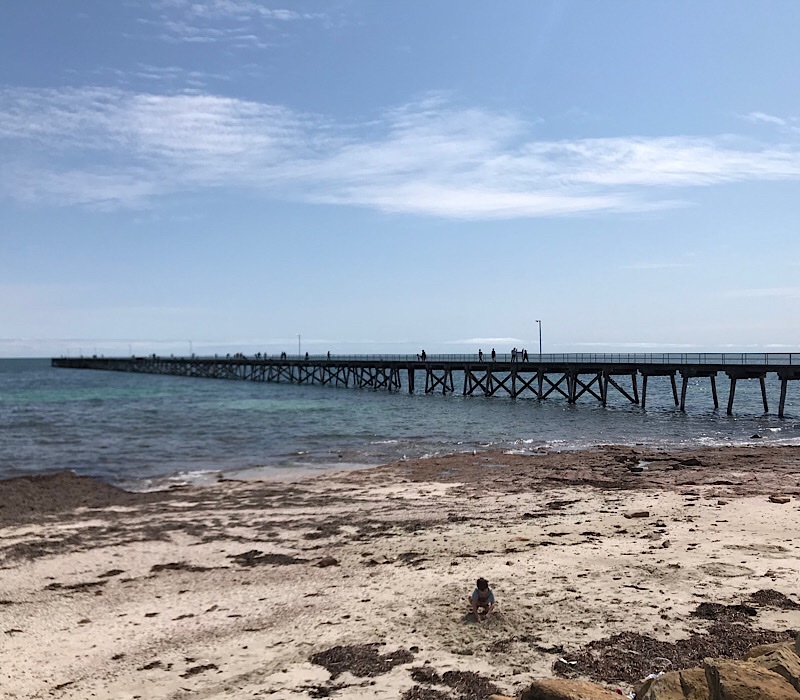
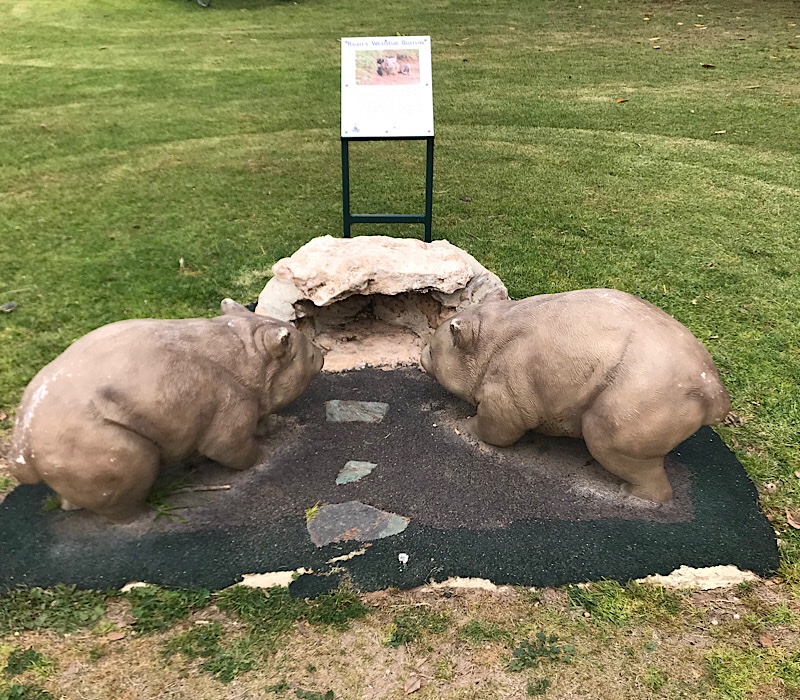
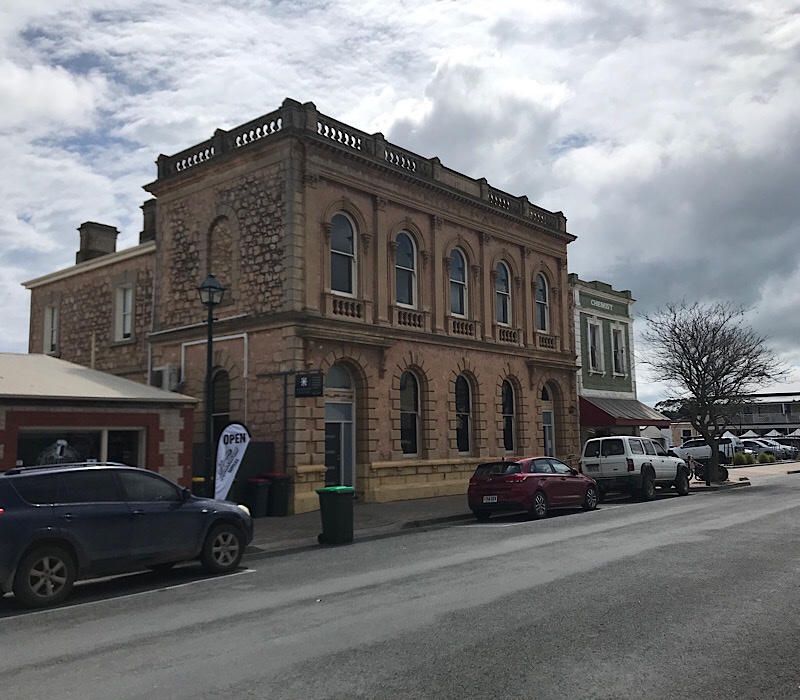
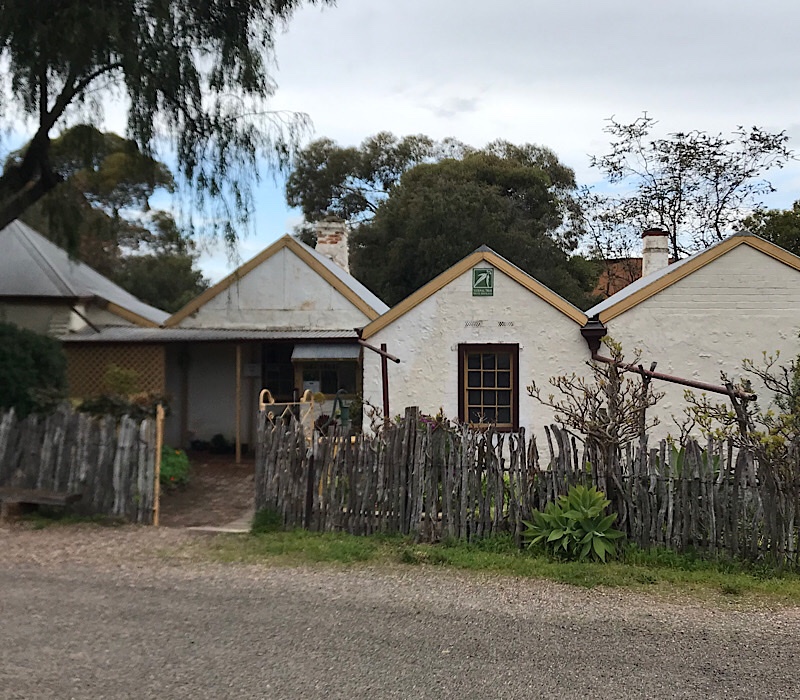
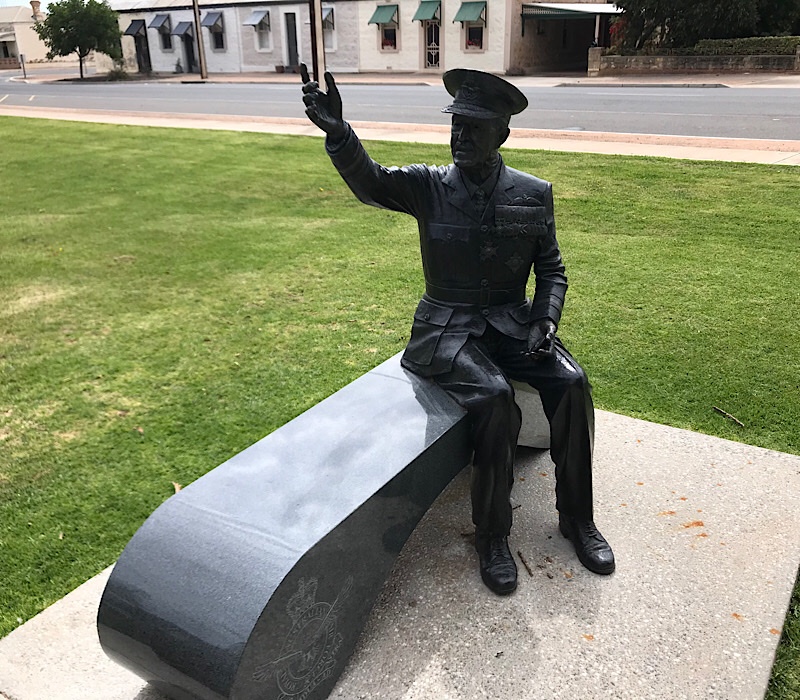
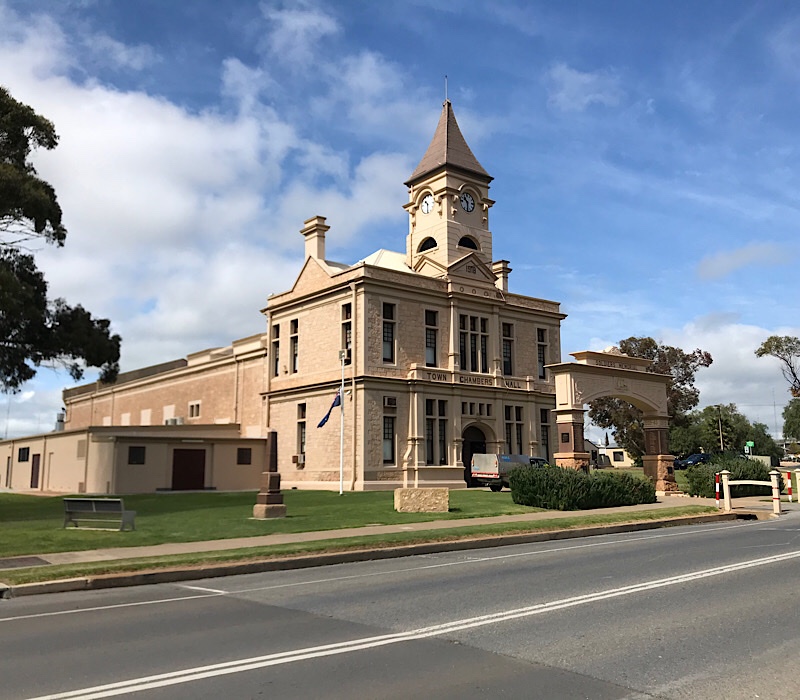
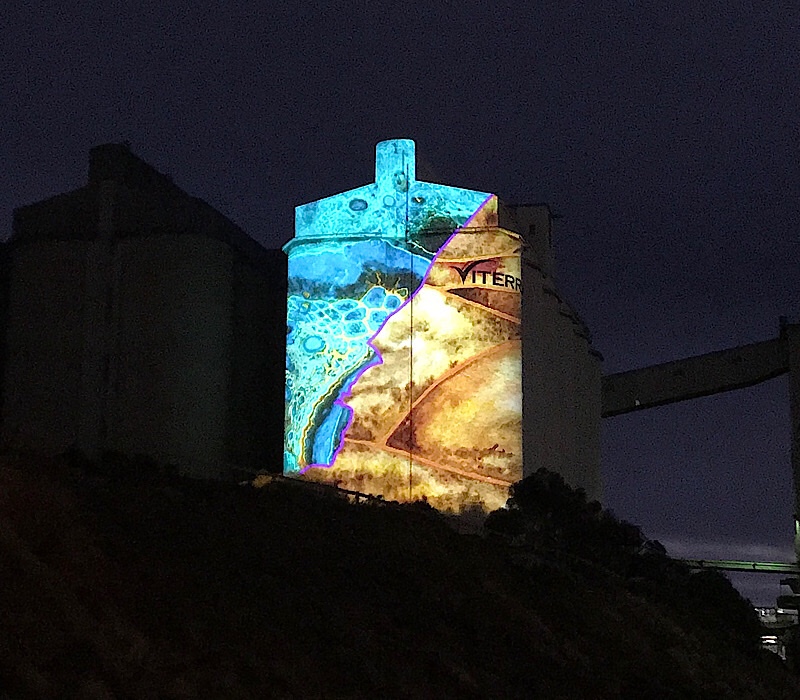
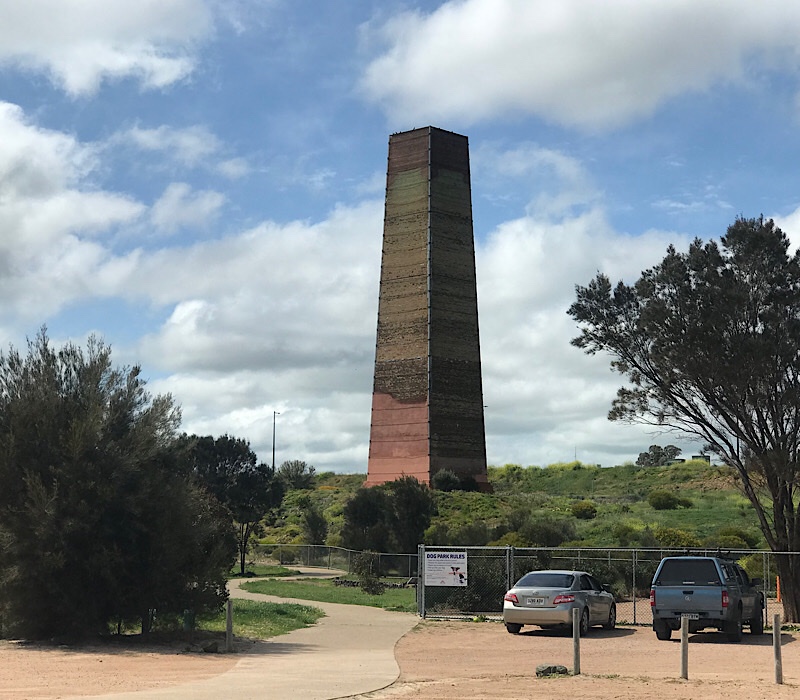
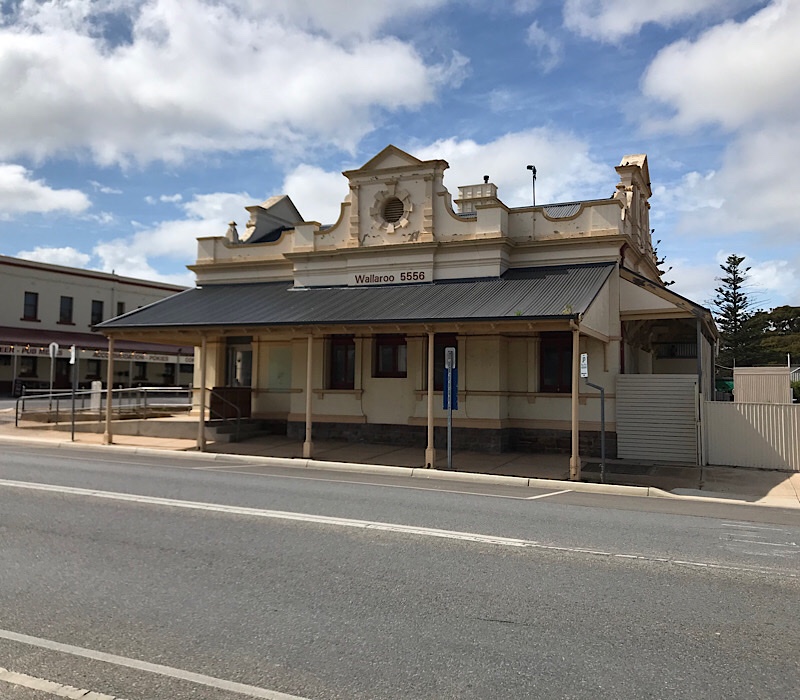
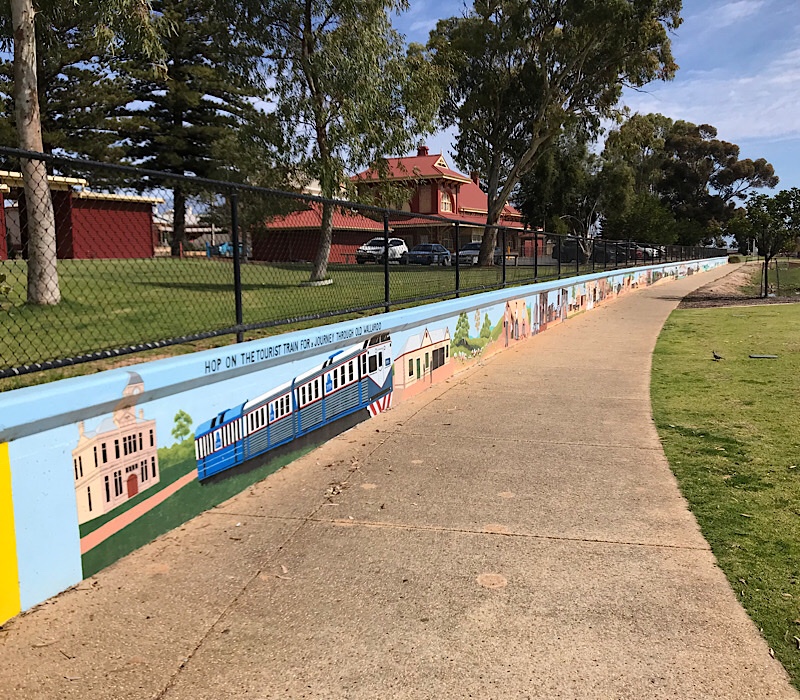
The jetty at Port Hughes, I have never seen so many boat trailers in a car park as we saw here in Port Hughes. Obviously a popular fishing destination on Yorke Peninsula.Whilst this is just a statue of 2 wombats, it signifies how the Copper Coast came into existence. In 1861 Irishman, Patrick Ryan discovered green stones outside a wombat burrow and that led to copper mining in Moonta.This is the original Bank in Moonta, circa 1868. Copper was discovered in Moonta in 1861 and was the centre for Copper mining. At one stage Moonta was the second biggest town/city in SA outside Adelaide in the 1800’s.One of the original “Miner’s Cottages” in Moonta, still being used today.In Queen Square Moonta is this statue of Sir Richard Williams the “Father of the RAAF”. Born in Moonta on the 1st of August 1890.The local Wallaroo Town Hall. Wallaroo, about 16 K’s north of Moonta and had huge smelters for the Copper mined in the area. In fact at one stage Wallaroo was the largest smelter in the world outside of Wales.Different Silo art in Wallaroo. Each night there is a light show displayed on the local Silos. It was very impressive.The last surviving smelter chimney in the centre of WallarooHistoric Wallaroo Post Office. The whole town has many pubs, businesses and homes built of sandstone and dated from the 1880’s onwards. A mural of the railway history of Wallaroo with the original Railway station in the background, now use as the local library.
 Be Brave on Tour